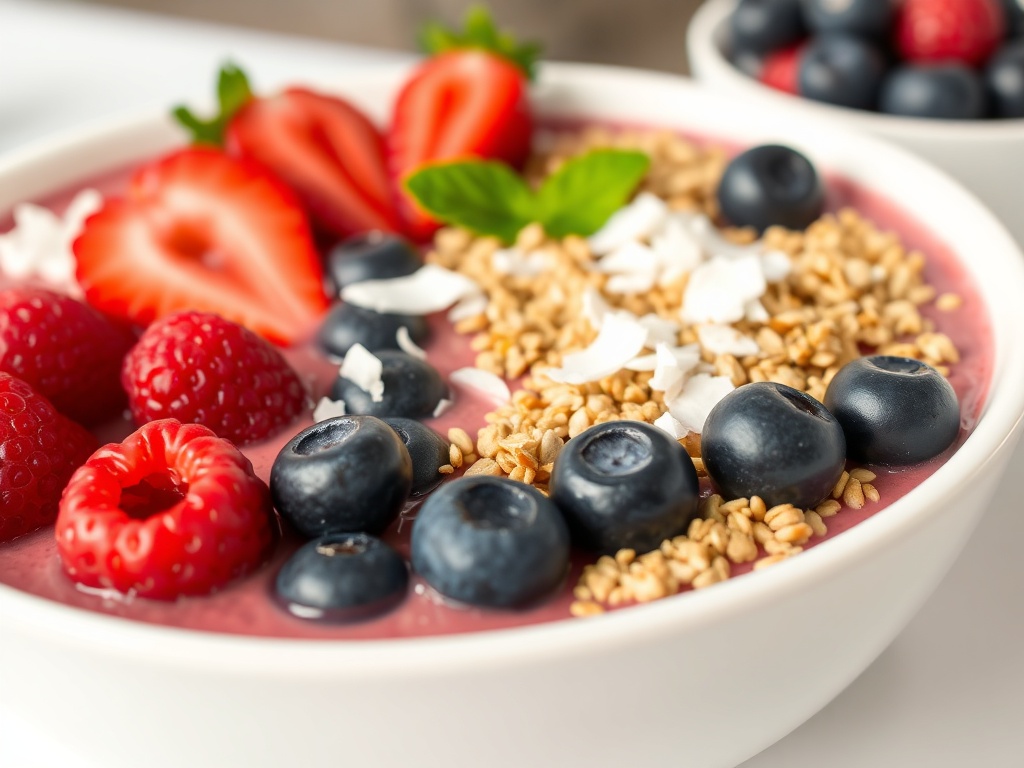
Balanced Nutrition Strategies, Sustainable Eating Habits for Wellness
Our approach combines practical nutrition science with real-world eating habits, helping you make informed choices that support long-term health and wellbeing.
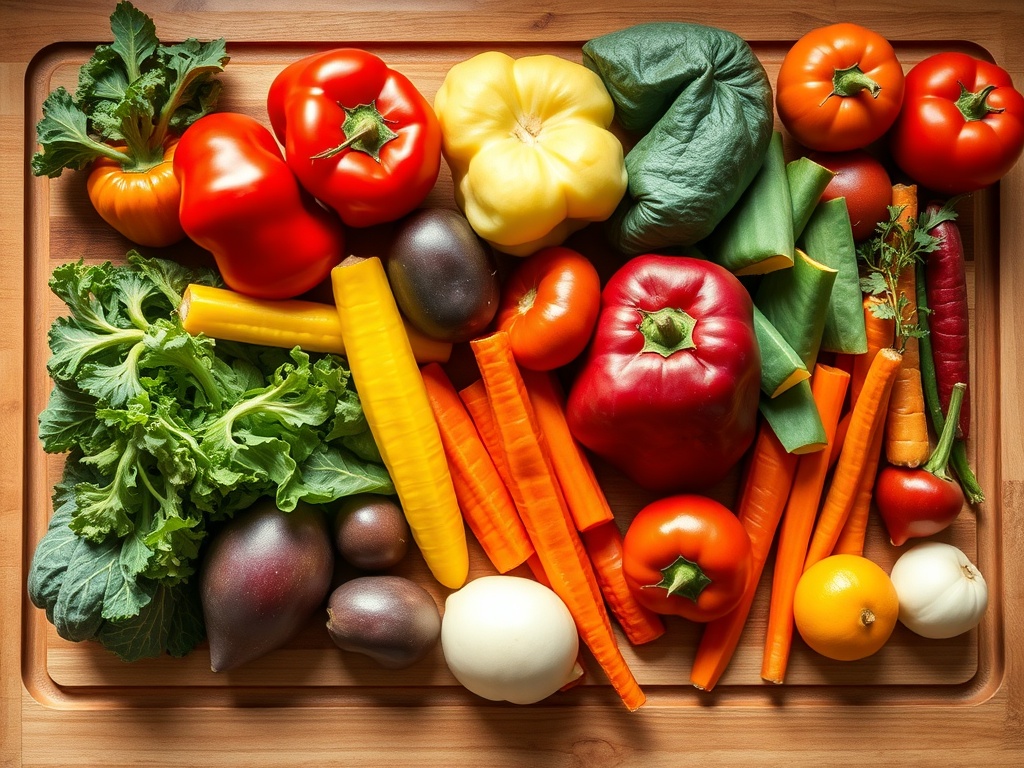

Trusted by Thousands
Practical Nutrition Advice for Healthier Daily Eating
Meal Planning Tips
Learn how to structure balanced meals with proper portions, food groups, and nutrients that keep you satisfied and energized throughout the day.
Protein Intake Guide
Discover why protein matters for muscle health and metabolism, plus simple ways to include adequate protein in every meal without complexity.
Carbohydrates Choice
Understand which carbohydrates fuel your body effectively, how to choose whole grains, and manage your energy levels with smart carb selection.
Healthy Fat Guide
Learn which fats support heart health and brain function, where to find them in foods, and how much you actually need daily.
Hydration Strategies
Find out how much water you need, why hydration impacts nutrition absorption, and practical tips for staying adequately hydrated each day.
Grocery Shopping
Master label reading, identify nutritious options at the store, and build shopping habits that support your balanced eating goals.
Snacking Wisely
Explore satisfying snack options that provide nutrition, help control hunger, and fit your daily eating pattern without derailing progress.
Eating Out Choices
Navigate restaurant menus confidently, understand portion sizes, and make balanced choices when dining out without stress or guilt.
Sugar Management
Learn about added sugars, identify hidden sources, and develop practical strategies to reduce intake while enjoying satisfying foods.
Nutrient Density
Understand which foods pack the most nutrition per calorie, how to build meals around nutrient-dense foods, and maximize health benefits.
Dietary Adjustments
Get guidance on adapting nutrition principles to allergies, preferences, budgets, or specific health needs with practical solutions.
Mindful Eating
Develop a healthier relationship with food through awareness techniques, slower eating, and listening to your body's natural hunger signals.
Guide
Common Questions About Nutrition
How do I know if I'm eating enough vegetables and fruits daily?
Aim for variety and color on your plate—different colored produce contains different nutrients. A simple goal is to fill half your plate with vegetables and fruits at most meals. Start with what you enjoy, then gradually explore new options. Fresh, frozen, and canned all count, making it accessible year-round.
What's the best way to start eating more balanced meals?
Begin with one meal at a time rather than overhauling everything at once. Focus on adding vegetables or lean protein to meals you already enjoy. Small, consistent changes create lasting habits better than dramatic shifts. Track what works for your schedule and preferences to build sustainable routines.
Should I count calories to eat healthier?
Calorie counting works for some people but isn't necessary for everyone. Instead, focus on food quality, portion awareness, and how foods make you feel. Many find that choosing nutritious foods naturally leads to appropriate intake without strict counting. Experiment to discover what approach supports your health best.
How can I manage cravings while eating balanced?
Balance satisfaction with nutrition by including small amounts of foods you love within a healthy overall pattern. Ensure you're eating enough protein and fiber to stay satisfied. Sometimes cravings signal inadequate nutrition or hydration rather than willpower issues. Address hunger properly first, then mindfully enjoy preferred foods.

Start Your Balanced Nutrition Journey Today
Expert guidance on practical eating habits backed by nutrition science and real-world experience.