FAQs
Common Questions About Nutrition and Healthy Eating

What makes balanced nutrition important?
Balanced nutrition is the foundation of good health. It ensures your body receives all essential nutrients—proteins, carbohydrates, fats, vitamins, and minerals—in proper proportions. When you eat a variety of whole foods and maintain appropriate portion sizes, you naturally support better energy levels, stronger immunity, improved digestion, and healthier weight management. The key is understanding that no single food is inherently bad; rather, it's about creating sustainable habits and making thoughtful choices that work for your lifestyle and goals.
Why should I focus on developing eating habits?
Developing healthy eating habits creates lasting change because you're building a lifestyle, not following a temporary diet. When you establish consistent routines—like planning meals ahead, eating mindfully, and choosing nutrient-dense foods—you transform your relationship with food. Good habits make healthy choices automatic and effortless over time. They help prevent chronic diseases, stabilize blood sugar and mood, improve sleep quality, and boost mental clarity. Perhaps most importantly, sustainable habits are ones you can maintain long-term, leading to genuine wellness rather than yo-yo cycles.
What are the main components of balanced eating habits?
Balanced eating involves several key elements: including plenty of fruits and vegetables for vitamins and fiber, choosing lean proteins and plant-based options, incorporating whole grains instead of refined carbohydrates, using healthy fats from nuts and olive oil, staying hydrated, and practicing portion control. It also means reducing added sugars, ultra-processed foods, and excess sodium while being flexible and allowing room for treats. Understanding food labels, learning cooking techniques, and eating slowly with awareness round out a comprehensive approach to nourishing your body well.
How can I start eating more vegetables daily?
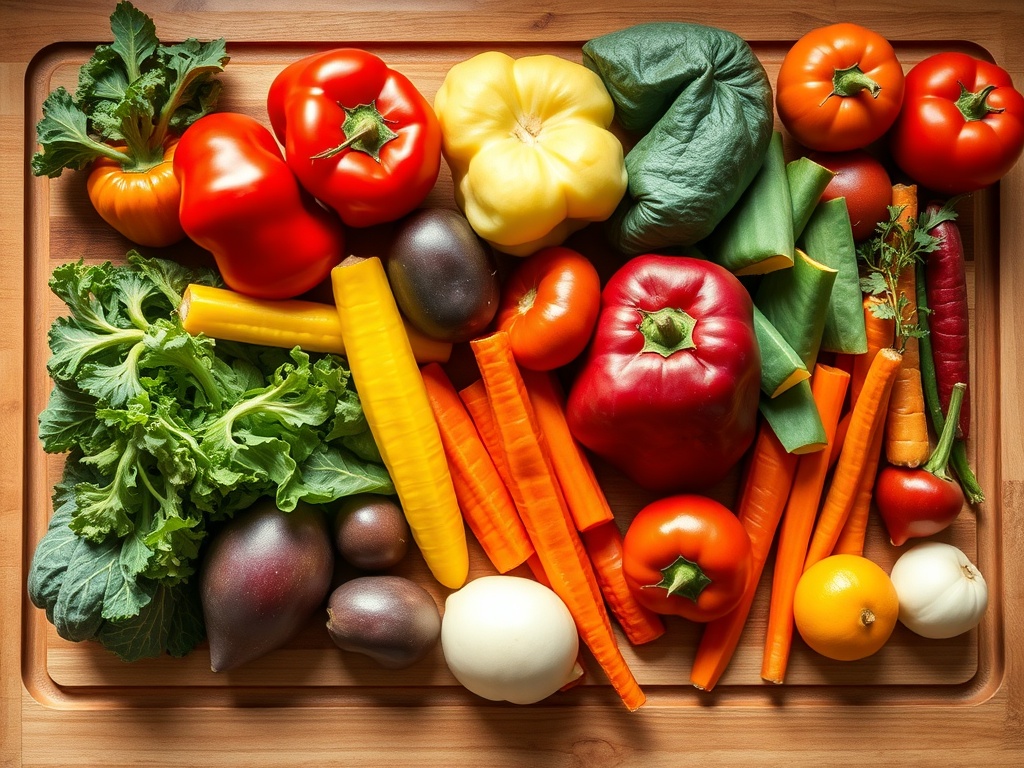
Starting with vegetables is simpler than you might think. Begin by adding one extra serving to meals you already eat—a side salad with lunch, roasted vegetables with dinner, or raw veggies as snacks. Choose colorful varieties like spinach, broccoli, peppers, and carrots to maximize nutrient intake. Try roasting or grilling vegetables with herbs for better flavor. Keep pre-cut vegetables handy for convenience. Gradually increase your portions as your taste preferences adapt. Experiment with new recipes and cuisines to discover vegetables you genuinely enjoy. Small, consistent additions build the habit naturally.
What's the best way to manage portion sizes?
Portion management doesn't require strict counting for everyone. Visual methods work well: use your hand as a guide—a palm-sized portion of protein, a fist of carbs, and a thumb of fats per meal. Eat from smaller plates to naturally reduce portions. Practice slowing down and chewing thoroughly, which signals fullness to your brain. Stop eating when satisfied, not stuffed. Be mindful of liquid calories from drinks and sauces. Keep a food journal initially to build awareness of typical portions. Listen to your body's hunger and fullness cues rather than external rules. This intuitive approach promotes sustainable balance.
How do I choose healthier snack options?
Smart snacking prevents overeating later and stabilizes energy throughout the day. Choose whole-food options like fresh fruit, nuts, yogurt, cheese, or whole-grain crackers paired with hummus. These combinations provide protein, fiber, and healthy fats that keep you satisfied. Prepare snack portions in advance to avoid mindless overeating from large containers. Stay hydrated—sometimes thirst masquerades as hunger. Avoid keeping ultra-processed snacks easily accessible; instead, stock your kitchen with nutritious choices. Plan snacks just like meals. Notice your snacking triggers and have healthier alternatives ready. Quality snacks support your overall nutrition goals effectively.
Have questions about your nutrition journey? We're here to help
What are hydration and its health benefits?
Water is fundamental to every body function—temperature regulation, nutrient transport, digestion, and joint lubrication. Most people benefit from drinking about eight glasses daily, though individual needs vary based on activity level, climate, and health status. Proper hydration improves energy, mental focus, skin health, and digestion. It helps regulate appetite and supports healthy metabolism. Replace sugary drinks with water, herbal tea, or infused water for flavor. Eat water-rich foods like cucumbers, watermelon, and lettuce. Notice your urine color—pale yellow indicates good hydration. Making water your primary beverage is one of the simplest changes with remarkable health benefits.
How can meal planning support healthier eating?
Meal planning is a game-changer for nutrition success. By planning weekly menus, you control ingredients, reduce processed food reliance, and save money. Create a simple template: decide on proteins, vegetables, grains, and healthy fats for each meal. Shop with a list to avoid impulse purchases. Batch cook on weekends to have healthy options throughout the week. Planning prevents last-minute unhealthy takeout decisions. It helps you balance nutrients across the week and accommodate dietary preferences or restrictions. Start simple with three dinners and build from there. This intentional approach removes decision fatigue and keeps you aligned with your health goals.
How do I read and understand nutrition labels effectively?
Food labels provide valuable information for making informed choices. Start with serving size—recommendations are based on this amount. Check calories to understand energy content relative to your needs. Look at macronutrients: carbohydrates, proteins, and fats. Examine the ingredient list; earlier items are present in larger quantities. Watch for added sugars—aim for less than 25 grams daily for women and 36 grams for men. Note sodium levels to keep below 2,300 milligrams daily. Check for fiber—aim for at least 25 grams daily. Compare similar products to make the healthiest choice. Understanding labels empowers you to align food purchases with your nutrition goals.
What role do healthy fats play in balanced eating?
Healthy fats are essential, not something to fear. They support brain health, hormone production, nutrient absorption, and satiety. Include omega-3 rich sources like fatty fish, walnuts, and flaxseeds for cardiovascular and brain benefits. Monounsaturated fats from olive oil, avocados, and nuts provide anti-inflammatory benefits. Minimize saturated fat and avoid trans fats from processed foods. Healthy fats make meals more satisfying and flavorful. They slow digestion, preventing blood sugar spikes. Include a small amount of healthy fat in each meal—olive oil on salads, nuts as snacks, or avocado in sandwiches. Balanced fat intake supports both physical health and sustainable eating patterns.
How do I manage cravings and emotional eating?
Cravings are normal and managing them takes awareness and strategies. Distinguish physical hunger from emotional eating by pausing and checking your feelings. Keep nourishing foods immediately available to satisfy urges healthfully. Eat regularly to prevent extreme hunger that amplifies cravings. Stay hydrated—dehydration mimics hunger. Practice stress-relief activities like walking, meditation, or talking with friends instead of eating. Allow occasional treats to prevent feeling deprived. Notice craving patterns and triggers. Eat mindfully without distractions. Address underlying emotions through appropriate outlets. Extreme restriction backfires; instead, practice moderate enjoyment of favorite foods. Compassionate self-awareness transforms your relationship with eating.
What's the importance of mindful eating practices?
Mindful eating transforms your relationship with food by bringing awareness and intention to meals. Eat without screens to fully taste and enjoy your food. Chew slowly—it takes 20 minutes for fullness signals to reach your brain. Recognize hunger and fullness cues rather than eating by clock or habit. Appreciate food origins and flavors. Eliminate guilt around eating; all foods fit into balanced nutrition. Notice how different foods make you feel. Eat sitting down rather than on-the-go. Use smaller utensils to slow pace. This practice reduces overeating, improves digestion, and increases food satisfaction. Mindfulness builds intuitive eating skills that support lifelong healthy relationships with nourishment.

Start your healthier eating journey today
Expert guidance for balanced nutrition and sustainable habits